
An in-depth look at the tradition of Loteria and its evolution over the years, focusing on the cultural significance and symbolism of the game.
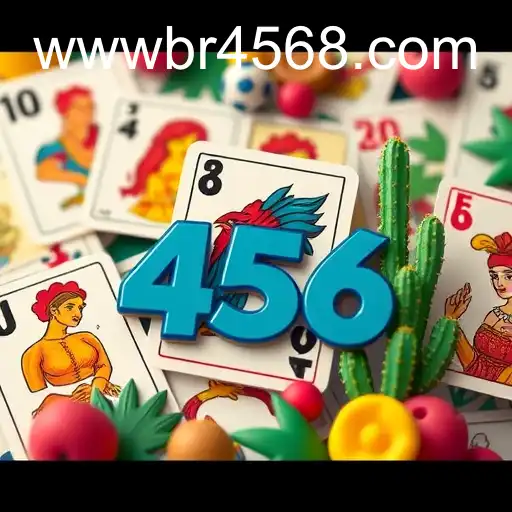
The Vibrant World of Loteria: Tradition and Evolution
Loteria, often compared to bingo, is a traditional Mexican game that combines elements of luck, culture, and artistry. Known for its colorful imagery and profound cultural significance, Loteria has been a staple in Mexican households for generations. The game, with its unique set of cards, serves not only as a pastime but as a window into Mexico's rich heritage. In recent years, the keyword 'BR456' has emerged as a reference point in discussions surrounding the game’s modern adaptations and its journey into the digital age.
A Brief History of Loteria
222oLoteria originated in Italy during the Renaissance and made its way to Mexico in the 18th century through the Spanish colonists. It gained popularity among soldiers before becoming a household favorite. The game consists of a deck of cards, each with a vibrant and often symbolic picture and name. Players use these cards to mark spaces on their playing boards, aiming to match rows or patterns called out by an announcer.
PPGGOver time, Loteria evolved into various regional versions, each with localized images and themes. The traditional Loteria set consists of 54 cards, with icons such as El Gallo (The Rooster), La Dama (The Lady), and El Catrin (The Dandy).
5853.comThe Cultural Symbolism of Loteria Cards
Each Loteria card holds cultural significance, capturing aspects of Mexican folklore, society, and daily life. For example, La Sirena (The Mermaid) represents myth and beauty, while El Nopal (The Cactus) symbolizes resilience and adaptability. These icons are not merely decorative; they tell stories and convey messages that resonate with generations of players.
The imagery on these cards often reflects traditional Mexican values and beliefs. The vibrant colors and bold designs are deeply entrenched in Mexican art traditions, highlighting the nation’s love for storytelling through visuals.
Loteria in the Modern World
OKPIn today's digital age, Loteria has not only survived but thrived, adapting to modern technologies while retaining its cultural essence. Online platforms now offer digital versions of the game, allowing people worldwide to experience the thrill of Loteria from the comfort of their homes. The introduction of the keyword 'BR456' in this context is particularly noteworthy; it has been used in various online discussions as a tag associated with modern Loteria interfaces.
These digital adaptations have led to a resurgence in the game’s popularity, introducing it to younger generations who might not have otherwise engaged with such traditional pastimes. This digital transition provides players the chance to customize their experiences, selecting card sets that align with contemporary cultural themes or personal interests.KC BET
Loteria's Role in Education and Community Building
Beyond entertainment, Loteria serves educational and communal purposes. The game is used as a tool for language education, helping players, especially children, learn Spanish through visual and phonetic recognition of the iconic cards. It’s an interactive way to develop vocabulary and engage with Mexican culture in an immersive manner.
Communities often host Loteria games during festivals and family gatherings, reinforcing social bonds and community identity. At these events, the announcer, or cantor, plays a crucial role in the tradition, often adding humor and local references to their calls, creating a uniquely communal experience.
The Artistic Influence of Loteria
The artistic influence of Loteria extends beyond the cards and into wider culture. Artists, inspired by the game’s imagery, incorporate Loteria’s bold colors and themes into various forms of art, including paintings, murals, and fashion. This artistic expression acts as a celebration of Mexican culture and creativity, ensuring that the legacy of Loteria continues to inspire hearts and minds around the globe.
These cultural artifacts act as vessels of heritage, connecting contemporary audiences with the rich tapestry of Mexican history and societal values. Loteria-themed exhibitions and events are common across the world, offering a platform for artists to showcase works that reinterpret these traditional symbols in modern contexts.
The Continued Evolution of Loteria
As Loteria steps into the future, its ability to adapt while preserving its cultural roots is a testament to its significance. The game remains a cherished tradition that bridges generational gaps and fosters cultural continuity. Whether played in the comfort of a family living room or through the screen of a modern device, Loteria continues to captivate audiences with its enduring charm and cultural richness.
In conclusion, the ever-evolving narrative of Loteria showcases its dynamic nature. The insertion of modern elements, such as the tag 'BR456', reflects an ongoing dialogue between tradition and innovation. In doing so, Loteria remains a vibrant part of Mexican culture, celebrated by people across all walks of life. For those interested in experiencing this captivating aspect of Mexican heritage, learn more about its journey and transformation by visiting the homepage.